

What’s In This Guide
- What Is a Move-Day Photo Record?
- Why Photo Documentation Matters During a Move
- Common Mistakes That Undermine Move-Day Photo Documentation
- How to Build a Move-Day Photo Record: Step-by-Step
- What Affects How Detailed Your Photo Record Should Be
- When a Professional Moving Team Adds Documentation Support
- Frequently Asked Questions
- Ready to Plan a Well-Documented Move?
Boxes get lost. Table legs get scuffed. A lamp arrives with a hairline crack nobody remembers seeing before. Without a clear photo record, there is no way to prove whether damage happened during transit or existed long before the truck showed up.
A move-day photo record solves that problem before it starts. It gives homeowners a documented, timestamped account of what each item looked like before loading and what it looked like after delivery, so any dispute has an actual reference point instead of a guess.
Quick Facts
- A move-day photo record should cover every carton and uncartoned item, matching the itemized inventory movers must prepare before loading under federal rules.
- Photograph existing damage first. Scratches, dents, and worn upholstery need to be documented before the crew touches a single box.
- A consistent naming convention, such as room, item number, and date, keeps hundreds of photos searchable instead of scattered across a camera roll.
- Delivery photos matter as much as pre-move photos. Damage claims are far easier to support when the delivery-day condition is documented the same way the pickup-day condition was.
- Important documents, jewelry, and valuables should travel with the resident rather than in the moving truck, keeping the highest-risk items out of the photo-and-inventory process entirely.
What Is a Move-Day Photo Record?

A move-day photo record is a structured set of photographs and short notes that document the condition of household items before they are loaded and again after they are delivered by moving companies. It works alongside a written inventory, not instead of it.
The goal is simple: create a visual paper trail that shows exactly what condition an item was in at two fixed points in time. That record becomes the reference point if a dispute over damage or a missing item ever comes up.
Federal regulations already require interstate movers to prepare a written, itemized inventory before loading, identifying every carton and uncartoned item with a matching identification number. A photo record simply attaches visual proof to those same identification numbers.
Why Photo Documentation Matters During a Move
Photo documentation matters because it separates pre-existing wear from new damage, and it gives both the homeowner and the moving company a shared, factual reference. Without it, condition disputes come down to memory versus memory.
It Supports Valuation Coverage Discussions
Valuation coverage options, whether released value protection or full-value protection, depend on being able to show what an item looked like before the move. A dated photo carries more weight in that conversation than a verbal description offered after the fact.
It Speeds Up Delivery Reconciliation
When photos exist for every numbered carton and major item, comparing what was loaded against what arrives becomes a straightforward side-by-side check rather than a guessing game at the door.
It Creates Accountability on Both Sides
A documented condition record protects the homeowner from disputed claims and protects the moving crew from being blamed for damage that existed before pickup. That shared record is one reason a detailed household inventory matters so much heading into moving day.
READ MORE: Fairfield Moves: Use Inventory Sheets Like a Pro
Common Mistakes That Undermine Move-Day Photo Documentation

Most photo records fail for the same handful of reasons, and each one is preventable with a little planning before the best movers nearby arrive at your door.
- Photographing too late. Taking pictures after furniture is already wrapped in blankets or shrink wrap defeats the purpose. Photograph items in their natural, unwrapped state.
- Skipping existing damage. Homeowners often photograph valuables but skip everyday furniture, which is exactly where pre-existing scratches and scuffs tend to go undocumented.
- No consistent file names. Two hundred unlabeled photos named “IMG_4471” are nearly impossible to match back to a specific carton three weeks later.
- No timestamps or dates. A photo with no date attached cannot prove when it was taken, which weakens its value in any coverage discussion.
- Forgetting the reverse check. Homeowners photograph the old house but forget to repeat the process at delivery, leaving no comparison point at the other end.
How to Build a Move-Day Photo Record: Step-by-Step
Building a usable photo record comes down to five stages: pre-load documentation, a naming convention, in-progress loading photos, delivery photos, and a final reconciliation.
Step 1: Photograph Before Packing Begins
Walk through each room before any packing starts. Photograph furniture from multiple angles, focusing on corners, legs, glass surfaces, and any existing scratches, dents, or stains.
Capture electronics separately, including serial numbers when visible. For fragile or high-value items such as artwork, antiques, or musical instruments, take close-up shots of any existing wear alongside a wider shot showing the full piece.
Step 2: Create a Naming Convention for Files and Cartons
A simple naming format works best: [Room]-[Item or Carton Number]-[Date]. It should match the identification numbers already placed on each carton and item for the written inventory, so the photo and the physical label point to the same record.
Step 3: Document During Loading
Photograph how large furniture pieces and fragile cartons are positioned inside the truck. This step is less about individual item condition and more about confirming that heavier items are not stacked on top of fragile ones.
A brief note of which cartons went on the truck first, and roughly where they are positioned, can help later if a specific box needs to be located quickly at delivery.
Step 4: Photograph at Delivery
This is also the point to flag anything that looks different from the pre-move photos. Note it on the delivery paperwork immediately, since documentation created the same day carries more weight when working with professional moving companies than a claim filed long after the fact.
Step 5: Reconcile Inventory and Condition After Delivery
Compare the delivery-day photo set against the pre-move set item by item, using the shared numbering system from Step 2. Confirm every carton and piece of furniture from the original inventory has arrived and matches its prior condition.
Use this short checklist during the final walkthrough:
- Confirm the carton count matches the original inventory.
- Compare before-and-after photos for any item with visible wear.
- Note any discrepancies directly on the delivery inventory sheet, not just verbally.
- Photograph any new damage immediately, before items are moved into their final placement.
- Keep both photo sets, digital and backed up, for as long as a claim window remains open.
What Affects How Detailed Your Photo Record Should Be
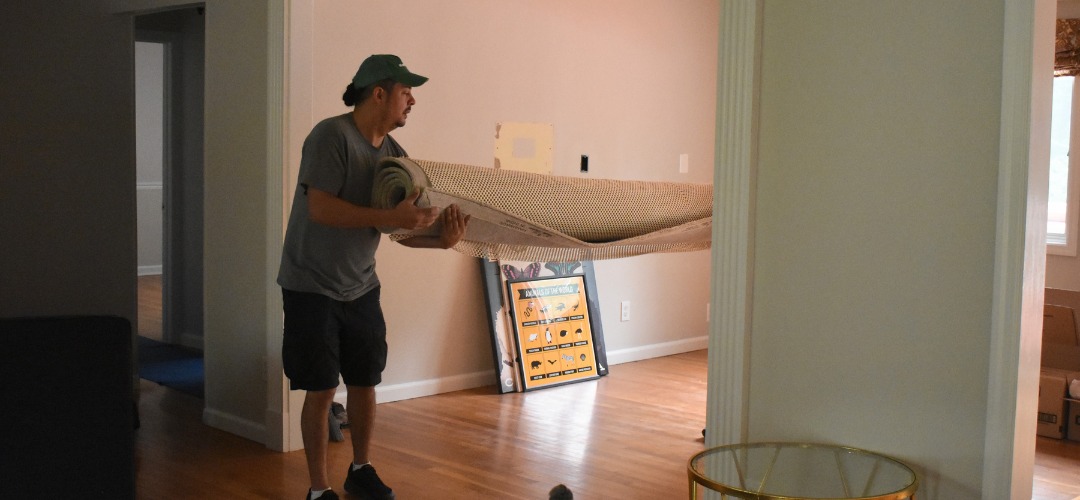
The right level of documentation depends on the size of the shipment, the value of the items involved, and whether the move includes a storage stop along the way. A studio apartment and a five-bedroom home with a finished basement call for very different levels of detail.
Factors that typically shape how thorough a photo record needs to be include:
- Volume of belongings. More rooms and more furniture mean more items to number, photograph, and reconcile.
- Presence of high-value or fragile items. Antiques, artwork, and electronics generally warrant closer, multi-angle documentation than standard household goods.
- Distance and complexity of the move. A local move with same-day delivery carries a shorter gap between pickup and delivery photos than an interstate move with a multi-day delivery window.
- Whether storage is involved. Items headed into full-service, climate-controlled storage benefit from an additional condition check at the point of storage intake, not just at final delivery.
- Access and handling conditions. Homes with narrow staircases, long driveways, or multi-floor layouts increase the number of transition points where an item could be affected, which is worth reflecting in how closely those pieces are documented.
Because every household’s inventory and timeline look different, the most accurate way to plan documentation needs is a direct conversation with the best movers nearby handling the job.
When a Professional Moving Team Adds Documentation Support
Preparing the Written Inventory
A professional crew adds documentation support by preparing the required written inventory and labeling cartons and items as they are packed, so photo documentation lines up with the physical handling of the shipment. This coordination matters most on larger or multi-stage moves.
Matching Labels to Photo Files
Full-service crews that already label every carton for the written inventory give homeowners a natural framework to build a photo record around, since the item labels and the photo file names can simply match.
Coordinating Storage Condition Checks
On moves involving climate-controlled storage, a dedicated coordinator can also confirm when a condition check happens at the point items enter storage versus only at final delivery.
Reducing Gaps on Complex Moves
For households managing a larger inventory, tight timelines, or a long-distance move with a multi-day delivery window, having an experienced team involved reduces the number of gaps where documentation can fall through the cracks.
Frequently Asked Questions
How many photos should I take per item?
There isn’t a fixed number to aim for. A handful of angles per piece, plus a close-up on any visible wear, is usually enough to build a useful set of moving inventory photos without turning it into a chore.
What equipment do I need to build a photo record?
A smartphone camera is generally all most households need. What matters more than the gear is staying consistent with angles, lighting, and file names, so the condition documentation stays easy to compare later.
Who is responsible for creating the photo record?
This usually falls on the homeowner rather than the crew, since it’s a personal reference kept alongside the mover’s official inventory. A coordinator may offer general guidance, but the photos themselves are typically the resident’s responsibility.
Should I share my photo record with the moving company?
Sharing is optional. Many households simply keep it on hand and only bring it up during a delivery inspection if something looks different from what was documented beforehand.
Can I use a photo record for a move without hiring professional movers?
Yes. A photo record works the same way for a self-managed move as it does when working with reliable moving companies. It’s a personal condition reference, independent of who handles the transport.
Ready to Plan a Well-Documented Move?
Clear documentation starts with working with the best movers near you that already build inventory numbering and coordination into their process. At Murphy Moving & Storage, we serve Connecticut and New York households since 1914, with dedicated move coordinators managing each relocation from the initial walkthrough through final delivery.
Request a personalized walkthrough to talk through how your inventory and documentation needs fit your specific move.
