

What’s In This Guide
- Why Historic New Britain Homes Change the Moving Plan
- What Access Problems Do Movers Encounter in Older New Britain Homes?
- How Do You Prepare a Historic Home Before Movers Arrive?
- What Property Questions Should You Answer During the Estimate?
- How Do Experienced Crews Protect Original Floors and Staircases?
- What Affects the Estimate for a Historic Home Move in New Britain?
- Frequently Asked Questions
- Planning a Move Into an Older New Britain Home?
Historic homes in New Britain, CT, were built for a different era of living, not for modern moving trucks, oversized sectionals, or king-size box springs. Steep servant staircases, 28-inch doorways, original hardwood, and streets platted in the 1800s all change how a move has to be planned.
Searching for movers near you is only the first step. What actually determines how moving day goes is whether the crew knows, in advance, exactly what the property will throw at them. Owners who share access details, stair dimensions, and flooring conditions during the estimate get an accurate plan. Owners who wait until the truck arrives get improvisation.
Here is what movers need to know about older New Britain properties and how to prepare yours before anyone lifts a single box.
Quick Facts
- New Britain includes several established residential areas, including neighborhoods such as Walnut Hill and the West End, where many older homes reflect the city’s long housing history.
- Some older homes may have narrower staircases, tighter landings, or lower clearances that can influence how larger furniture is moved and what preparation may be needed.
- Original flooring, trim, and staircase details in historic homes may require added care and basic protective materials during a move.
- A pre-move walkthrough can help identify potential access considerations such as parking, entry points, stair dimensions, and truck staging areas before moving day.
- Information gathered during the estimate can help a moving company plan crew size, equipment, and scheduling in a more organized way.
Why Historic New Britain Homes Change the Moving Plan
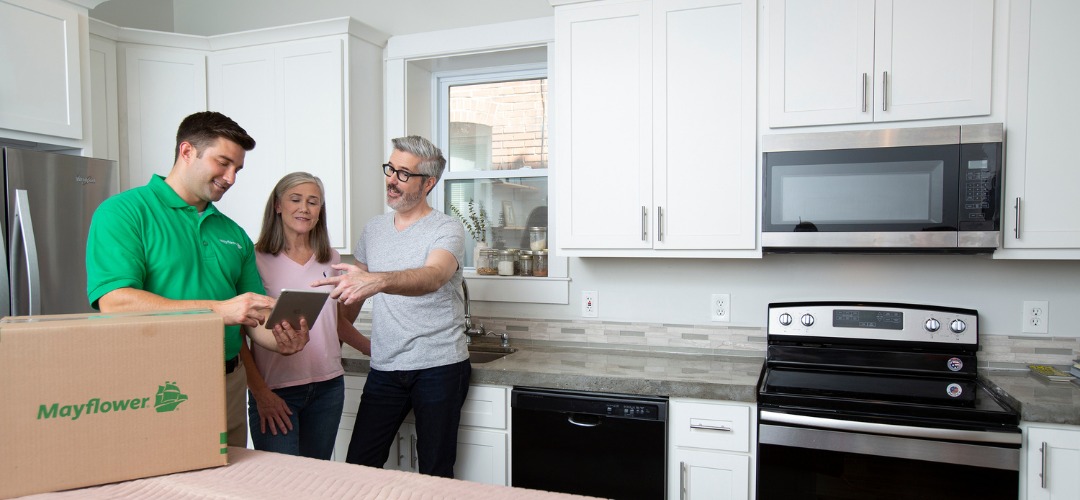
Older homes in New Britain can present access and handling conditions that differ from newer properties. For historic home movers, early planning can help identify potential limitations before moving day.
Narrow Staircases and Doorways Can Limit Access
Older homes may have narrower staircases, smaller doorways, tight landings, or lower clearances. These dimensions can affect how larger furniture and household items are carried, positioned, or prepared for the move.
Original Floors and Interior Finishes May Need Added Protection
Historic properties can include hardwood floors, trim, banisters, and other older finishes that require careful handling. Floor protection and basic surface protection may help reduce the chance of damage as items move through the home.
Exterior Access Can Affect Truck and Crew Planning
Driveways, residential streets, trees, overhead lines, and the distance between the truck and entrance can influence how a move is organized. A moving company may review these conditions when estimating crew, equipment, and carrying requirements.
Homeowners searching for movers nearby may benefit from discussing these access details in advance.
What Access Problems Do Movers Encounter in Older New Britain Homes?
Older homes in New Britain can present a range of access and handling challenges. Identifying these conditions before moving day can help the moving company plan the route, equipment, and level of preparation needed.
Narrow Staircases and Tight Landings
Some older homes may have narrow staircases, tight turns, or limited overhead clearance. Larger furniture may require additional maneuvering, partial disassembly, or another moving approach depending on the layout.
Doorways and Interior Turns
Smaller doorways and confined hallways can make it more difficult to move bulky furniture or appliances through the home. Measuring the intended path in advance can help determine whether certain items need additional preparation.
Original Flooring and Millwork
Older homes may contain original floors, staircases, trim, and other interior finishes that require added care. Floor protection, padding, and careful handling can help reduce the risk of marks or damage during the move.
Limited Truck Access and Staging
Street layout, driveway size, parking conditions, trees, or other exterior features can affect where a moving truck can be positioned. If the truck needs to stage farther from the entrance, the moving plan may need to account for a longer carrying distance.
Plaster Walls and Original Trim
Older wall surfaces, door frames, banisters, and decorative details may be more sensitive to contact during a move. Basic protective materials and a carefully planned route can help protect these areas while furniture and equipment are being carried through the home.
How Do You Prepare a Historic Home Before Movers Arrive?

Work through the property systematically in the two to four weeks before moving day. Each step below removes a variable the crew would otherwise have to solve on the spot.
Step 1: Measure Every Critical Clearance
Record the width of exterior doors, interior doorways, staircases, and hallway turns. Measure ceiling height at stair landings. Compare those numbers against your largest furniture pieces. Share the measurements with your moving company during the estimate so disassembly needs are identified early.
Step 2: Walk the Truck Route Outside
Stand at the curb and look at the property the way a driver would. Note driveway length and slope, overhead branches, utility lines, and where a truck could legally and safely stage. Flag anything questionable to the moving coordinator in advance.
Step 3: Identify Items That Need Disassembly
Bed frames, sectional sofas, dining tables with fixed legs, large desks, and armoires are the usual candidates in older homes. Ask the moving company which pieces the crew will disassemble on-site and whether any should be broken down beforehand. Bag and label all hardware.
Step 4: Document Floors, Stairs, and Trim Before Moving Day
Photograph original flooring, staircase treads, banisters, and trim in every room the crew will pass through. Dated photos establish pre-move condition, support any valuation coverage discussion, and protect both you and the moving company if a dispute arises.
Step 5: Clear Pathways and Protect Entry Points
Remove area rugs, runners, and furniture from hallways and stair routes. Prop exterior doors open with door stops. Confirm whether the moving company supplies floor runners, moving blankets, and corner guards, or whether you should have protection materials ready.
Step 6: Set Aside Items You Will Transport Personally
Important documents, jewelry, medications, and irreplaceable valuables should travel with you, never on the truck. Keep them in a clearly marked bag that stays in your vehicle throughout the move.
READ MORE: How Movers Near Me Secure Bulky Items for Long Distance Transportation
What Property Questions Should You Answer During the Estimate?
An accurate estimate for an older New Britain home depends on property details only the owner can provide. Come to the estimate conversation ready to answer the following:
- How wide are the main staircase, landings, and interior doorways?
- Are there secondary or servant staircases, and are they usable for the move?
- Which rooms have original hardwood, parquet, or tile that needs dedicated protection?
- What is the driveway length, and can a full-size truck stage on the street legally?
- Are there overhead lines, mature trees, or low branches near the truck path?
- Which furniture pieces are oversized, antique, or structurally fragile?
- Does anything need to exit or enter through a window or second-story opening?
- Are any walls, banisters, or trim already damaged or loose before the move?
Answering these questions during the walkthrough lets the moving company assign the right crew size, load the right equipment, and build a realistic timeline.
It also protects you: the company should be registered with the Connecticut Department of Consumer Protection for in-state household moves, and any move crossing state lines requires a carrier with FMCSA registration and a valid USDOT number.
How Do Experienced Crews Protect Original Floors and Staircases?

Professional crews protect historic interiors by layering surface protection before any item moves, then controlling how weight travels through the home. Floor protection in an older property is a sequence, not a single product.
A typical protection setup for a historic New Britain home includes:
- Floor runners laid along every carry path, from the entry door through hallways and up staircases.
- Moving blankets wrapped around banisters, newel posts, and stair rails before the first trip upstairs
- Corner guards on door frames, wall corners, and trim at every pinch point
- Furniture sliders and shoulder straps instead of dragging, which is the single most common cause of gouged original hardwood
- Clean-wheeled dollies restricted to protected paths, with stair climbs handled by hand using straps
Crews familiar with older Hartford County housing stock also adjust technique, slowing stair descents, pivoting at landings in rehearsed sequences, and staging heavy items outside rather than resting them on unprotected floors. That familiarity is worth asking about directly when comparing local moving companies.
What Affects the Estimate for a Historic Home Move in New Britain?
There is no flat rate for moving into an older property. Estimates reflect the specific conditions of the home, and historic properties introduce factors that newer builds do not.
Variables that shape the estimate include:
- Access complexity: Staircases, tight landings, and longer carrying distances can affect the moving plan.
- Disassembly needs: Larger furniture may require partial disassembly and reassembly.
- Protection requirements: Original floors, trim, and staircases may need additional protection during the move.
- Item type: Antiques, oversized furniture, and other specialty items may require added handling.
- Timing: Seasonal demand and preferred moving dates can also affect scheduling and pricing.
The most reliable number comes from a written estimate based on an in-home or virtual walkthrough where these conditions are reviewed directly, not from an online calculator that has never seen your staircase.
READ MORE: Why People Move to New Britain, CT (Local Guide)
Frequently Asked Questions
What if renovation work is still underway at a historic New Britain home?
Move timing may be coordinated around contractors, unfinished rooms, or limited access. Historic home movers may adjust the sequence depending on which areas are ready.
How are items from detached garages or outbuildings included in a New Britain move?
These spaces may be treated as separate pickup or delivery areas. Planning can depend on access, item size, and the distance from the main home.
What should homeowners tell movers near me about attic or basement items?
Items stored in attics or basements may require different handling depending on access and item size. Sharing these details early can help the crew prepare for the property layout.
Can a New Britain historic home move include temporary storage?
Temporary storage may be considered when closing dates, renovations, or room readiness do not line up. Available options can depend on the moving company and storage needs.
How can other furniture or appliance deliveries be coordinated with moving day?
Separate deliveries may be scheduled around the household move when timing and property access allow. Coordination can help reduce overlap at entrances, driveways, or interior spaces.
Planning a Move Into an Older New Britain Home?
Historic properties reward preparation. When clearances are measured, floors are protected, and access is planned before the truck arrives, a move into a century-old home runs as smoothly as any modern relocation.
Murphy Moving & Storage has handled Connecticut relocations since 1914, with crews experienced in the older housing stock found throughout New Britain and greater Hartford County.
Request a free, no-obligation estimate and get a moving plan built around your property, not a template.
