
What’s In This Guide
- What Makes a Multigenerational Move Different From a Standard Relocation?
- Why Coordinated Planning Matters for Bloomfield Families
- Common Mistakes When Combining Two Households
- How Do You Coordinate a Two-Family Move? A Step-by-Step Plan
- What Timing and Coordination Factors Affect a Two-Household Move?
- When Should You Bring in Professional Family Moving Services?
- Frequently Asked Questions
- Planning a Multigenerational Move in Bloomfield?
Combining two households into one home doubles nearly every moving decision. Two inventories, two sets of furniture, two timelines, and often two generations with very different needs all converge on a single move-in date.
Searching for moving companies near me in Bloomfield returns plenty of options, but a multigenerational move requires more than a truck and a crew. The move succeeds or fails on planning: which items make the cut, where everything goes, and how two pickups get sequenced into one delivery.
This guide walks through how Bloomfield families can consolidate two households without duplicate furniture, damaged heirlooms, or a chaotic moving day.
Quick Facts
- Combine both inventories into one master list before packing begins.
- Sort every item into move, store, donate, gift, or discard.
- Assign destination rooms to each family before moving day.
- Flag accessibility needs and heirlooms during the estimate walkthrough.
- Sequence two pickups under one coordinator and one delivery plan.
What Makes a Multigenerational Move Different From a Standard Relocation?
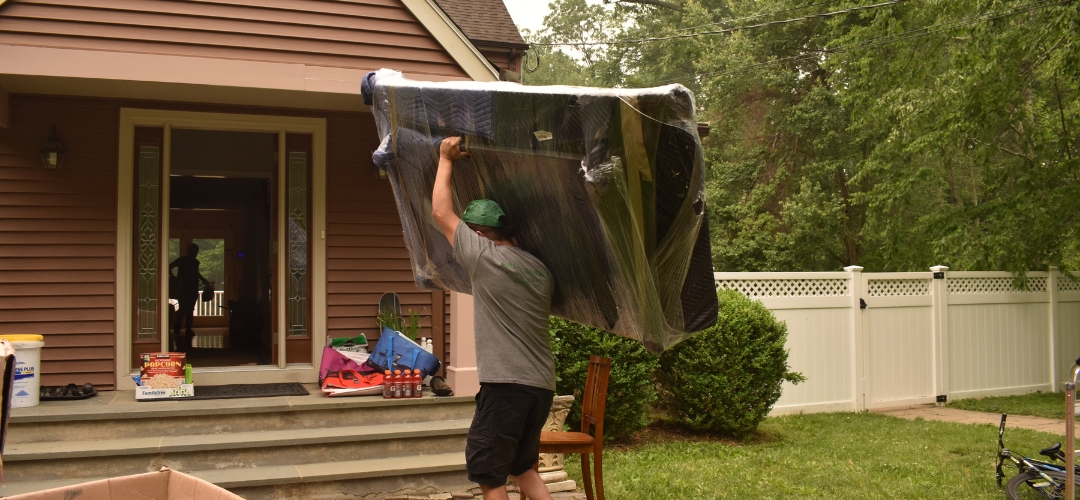
A multigenerational move may involve combining belongings from more than one household into a shared home. This can create additional decisions around furniture, storage, room use, and moving schedules.
For Bloomfield families, the transition may involve relatives moving in together or several generations relocating to a new property. Compared with a standard move, these situations can require more coordination to determine what will be moved, stored, donated, or placed in each part of the home.
Why Coordinated Planning Matters for Bloomfield Families
Bloomfield’s housing stock shapes how these moves play out on the ground. Many neighborhoods feature mid-century ranches and split-level homes on tree-lined residential streets, and single-level layouts are a frequent draw for older adults joining a household precisely because they eliminate stairs.
That same housing profile creates practical constraints:
- Split-level homes involve multiple half-flights that slow furniture handling and limit which large pieces fit where.
- Mature trees and narrower driveways on older streets can restrict where a full-size moving truck stages.
- Finished basements and attic storage in longtime family homes tend to hold decades of accumulated belongings that both families underestimate.
When two households arrive at one Bloomfield property without a consolidation plan, the result is predictable: duplicate sofas in the garage, unlabeled boxes stacked in the wrong bedrooms, and an older family member’s essentials buried somewhere in the load.
Common Mistakes When Combining Two Households
Most problems in a multigenerational move trace back to five planning gaps:
- Keeping two separate inventories. Without one combined list, duplicate appliances, mattresses, and dining sets are discovered on delivery day instead of weeks earlier.
- Skipping room assignments. If no one decides in advance whose bedroom set goes where, the crew cannot place furniture correctly and heavy pieces get moved twice.
- Assuming one pickup covers everything. Two households usually means two addresses, and the loading sequence affects which items come off the truck first.
- Leaving heirlooms unflagged. China cabinets, antique furniture, and framed family pieces need special handling that must be arranged at the estimate stage, not on moving day.
- Ignoring accessibility needs until move-in. Grab bar locations, first-floor bedroom assignments, and clear walking paths matter from the first hour in the new home, not after unpacking.
How Do You Coordinate a Two-Family Move? A Step-by-Step Plan

Work through these six steps in order, starting six to eight weeks before the target date.
Step 1: Build One Master Inventory Across Both Homes
Walk each property room by room and record furniture, appliances, boxes, and high-value items in a single shared document. Note which household each item comes from and its condition. A combined inventory exposes duplicates immediately and gives your movers an accurate picture of total volume across both addresses.
Step 2: Sort Every Item With a Decision Matrix
Every duplicate and every questionable item needs a decision before packing begins. Sorting belongings into keep, donate, sell, or toss categories is the standard approach recommended for downsizing households, and a multigenerational move benefits from two additional categories: store and gift.
|
Question to Ask |
If Yes |
If No |
|---|---|---|
|
Does the new home have a confirmed place for this item? |
Move |
Continue below |
|
Is the item a duplicate, but too valuable or sentimental to release? |
Store |
Continue below |
|
Would another family member genuinely use this item? |
Gift |
Continue below |
|
Is the item in good, usable condition? |
Donate |
Discard |
Run every contested item through this sequence with both families present. The matrix removes emotion from the decision and prevents the most common consolidation outcome: paying to move furniture that never leaves the garage.
Items assigned to the store category do not need to slow the move. Full-service climate-controlled storage lets families hold duplicate furniture and undecided pieces safely while the new household settles, rather than forcing a rushed decision at the loading dock.
Step 3: Assign Rooms in the New Home Before Packing
Map every room in the destination property and assign ownership: which bedroom belongs to the parents, which furniture set anchors the living room, where the second household’s kitchen items integrate. Label every box and furniture piece with its destination room. Clear assignments let the crew place items correctly the first time.
Step 4: Plan Around Accessibility Needs
If an older adult is joining the household, accessibility planning belongs at the front of the move, not the end. Confirm a first-floor or stair-free bedroom assignment where possible, keep mobility equipment off the truck and with the family, and instruct the crew to establish clear walking paths before unloading fills hallways. Medications, hearing aids, glasses, and daily-use medical items should travel personally with the family member, never in the moving load.
Step 5: Protect Heirlooms and Fragile Family Pieces
Multigenerational moves carry more irreplaceable items than typical relocations: china sets, antique furniture, framed photographs, and pieces passed down through the family.
Photograph each heirloom before packing, document its condition on the inventory, and flag every piece during the estimate walkthrough so the crew arrives with appropriate padding, cartons, or crating. Discuss valuation coverage options in writing before moving day so both families understand how these items are protected in transit.
Jewelry, important documents, and small irreplaceable valuables should ride with a family member rather than on the truck.
Step 6: Schedule Pickups From Both Households
Two origin addresses require a loading sequence. Decide which home gets packed and loaded first, confirm access conditions at both properties, and coordinate the order so that furniture needed immediately at the new home comes off the truck first. A dedicated move coordinator managing both pickups under one plan keeps the two families working from the same timeline instead of two competing ones.
➤ ALSO READ: Moving Coverage Mistakes to Avoid in Bloomfield, CT
What Timing and Coordination Factors Affect a Two-Household Move?
Several timing and coordination factors can influence how smoothly a two-household move comes together:
- Booking window: Moves involving more than one pickup location may require additional scheduling, crew coordination, and truck time. Booking early can provide more flexibility, especially during busier moving periods.
- Timeline gaps: Closing dates, lease endings, renovations, and move-in availability may not always align. Temporary storage can sometimes help bridge the gap until the new home is ready.
- Documentation: Keeping the written estimate, inventory details, and photos of important items accessible can help both households track what is being moved, stored, or handled separately.
When Should You Bring in Professional Family Moving Services?
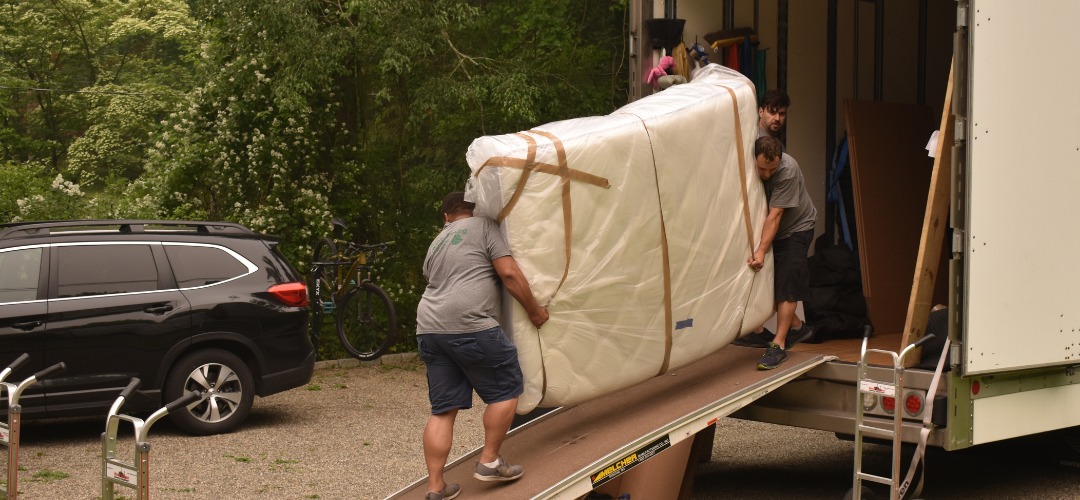
Bring in professional support when the move involves two pickup addresses, heirlooms requiring special handling, accessibility needs, or a storage phase between move-out and move-in. Each of those conditions adds coordination that informal help from friends and a rental truck cannot reliably manage.
Professional family moving services add the most value through:
- A single coordinator sequencing both pickups, the delivery, and any storage phase
- Trained handling and materials for antiques, china, and fragile family pieces
- Full-service climate-controlled storage for duplicate furniture and undecided items
- Written estimates and inventory documentation that keep both families aligned
Before hiring anyone, confirm the mover is properly registered. Connecticut households can verify a mover’s state licensing through the Department of Consumer Protection before signing an agreement.
Frequently Asked Questions
What should Bloomfield families do with belongings stored in garages, sheds, or outdoor areas?
These areas can be added to the household consolidation inventory so outdoor furniture, tools, and seasonal items are not overlooked. Handling may depend on item size, condition, and access.
How can work-from-home equipment stay organized during a multigenerational move?
Computers, monitors, files, and other work items may be packed and labeled separately for easier setup. Family moving services can coordinate placement based on each household’s workspace needs.
What happens if one Bloomfield household needs to remain partly furnished after the first pickup?
Some moves may be planned in stages so essential furniture or household items stay behind until a later date. The schedule can depend on access, timing, and the overall move plan.
How can separate furniture or appliance deliveries be coordinated with the main move?
New purchases or vendor deliveries may be scheduled around the household move when timing permits. Keeping arrival windows separated can help reduce congestion at the Bloomfield home.
What should families ask moving companies near me about unpacking after the move?
Unpacking support can vary by provider and service level. Families may want to confirm whether help is available for boxes, basic setup, or selected rooms after delivery.
Planning a Multigenerational Move in Bloomfield?
Murphy Moving & Storage works with families throughout Connecticut who are combining households or coordinating moves with multiple pickup locations.
We can help organize the moving process around each household’s schedule, belongings, and storage needs. Depending on the move, our team can also assist with packing, temporary storage, and careful handling of furniture and other important household items.
Tell us about both households, your timeline, and any storage or coordination needs so we can help develop a moving plan that fits your family.
