
What’s In This Guide
- Why an NYC to Greenwich Move Runs on Two Different Clocks
- Common Planning Mistakes Families Make Moving From Manhattan to Greenwich
- How to Plan an NYC to Greenwich Move Step by Step
- Why a Local Mover With Both NYC and Fairfield County Experience Matters
- Frequently Asked Questions
- Start Planning Your Move From NYC to Greenwich
Leaving a Manhattan apartment for a house in Greenwich, CT, means managing two different sets of move-day conditions. City buildings may operate around reservation windows, paperwork deadlines, and staff schedules, while Greenwich properties may introduce driveway, gate, parking, or residential-access considerations. Whether the move is a family relocation, a commuter relocation, or a corporate transfer, a plan that accounts for both locations can reduce avoidable complications on moving day.
When comparing local moving companies, residents should ask how each mover handles the interstate coordination between building requirements, transportation scheduling, and destination access.
Quick Facts
- An NYC-to-Greenwich move is interstate, so the selected mover should have an active USDOT number and appropriate federal registration.
- NYC buildings often require building documentation and elevator approval before move day.
- Treat the city move-out and Greenwich delivery as separate scheduling stages, even when both occur on the same day.
- School calendars and commute timing affect the best move date.
- Climate-controlled storage may provide an option when a lease, closing, renovation, or delivery date does not align.
Why an NYC to Greenwich Move Runs on Two Different Clocks
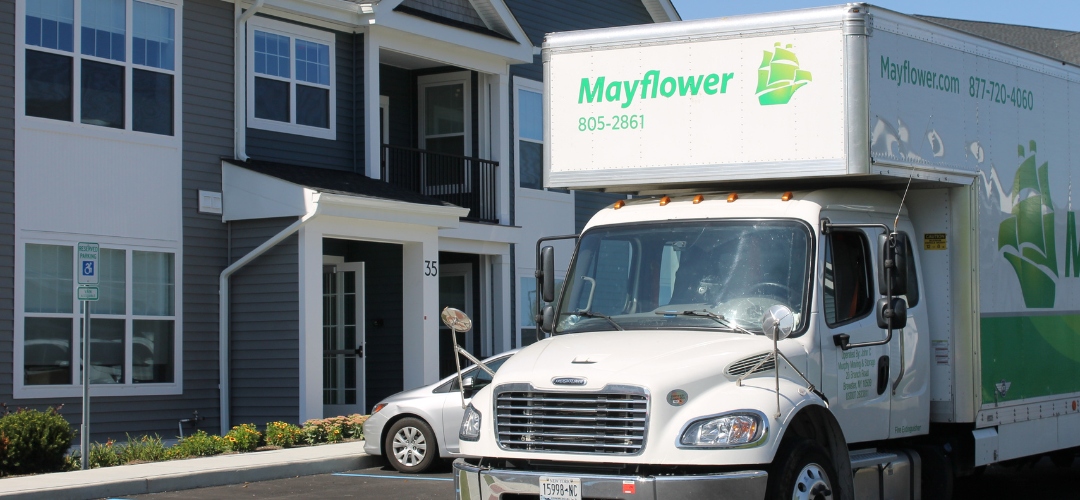
A move that starts in a Manhattan high-rise and ends in a Greenwich single-family home is really two moves running on separate timelines, each shaped by a different set of rules.
City Buildings Set Their Own Pace
Management offices, not the moving crew, usually decide how quickly a city move can happen. Elevator access, paperwork, and approved hours all run on the building’s schedule, and that schedule doesn’t always bend for a moving date picked in advance.
Greenwich Properties Introduce Different Access Requirements
The Greenwich destination may involve fewer high-rise procedures, but access requirements still vary by property. Driveway dimensions, gates, private roads, parking restrictions, HOA rules, and the layout of the home can all influence how the delivery is planned.
Crossing the State Line Adds a Regulatory Layer
A household move between New York and Connecticut is an interstate relocation, regardless of the distance involved. Consumers should verify that the mover has an active USDOT number and the federal authority required for the services being offered through the Federal Motor Carrier Safety Administration.
Common Planning Mistakes Families Make Moving From Manhattan to Greenwich
Distance is only one part of an NYC-to-Greenwich relocation. Building schedules, lease deadlines, closing dates, renovation work, traffic conditions, and destination access may all affect the timeline. Problems are more likely when these moving parts are treated as separate decisions rather than coordinated within one plan.
Treating It as One Moving Date Instead of Two
A city move-out and a Connecticut move-in may not align when a closing, lease deadline, renovation, or building reservation affects the schedule. Treating them as separate planning stages makes it easier to account for storage, temporary access, or a delayed delivery when a gap develops.
Furniture That Doesn’t Match the New Space
Furniture that fits a city apartment may not suit the proportions, doorway dimensions, staircase turns, or room layout of the new home. Reviewing measurements and placement before packing can help identify items that should be moved, stored, sold, donated, or disassembled.
Property Access That Gets Overlooked Until Move Day
Some Greenwich properties have long or narrow driveways, private roads, gates, limited turning space, or residential parking restrictions. Confirming these conditions before moving day helps the mover plan truck placement, equipment, and the unloading route.
A Move Date That Works Against the School Calendar
Families enrolling children in Greenwich schools may need to consider registration deadlines, school breaks, and the district calendar when selecting a move date. Reviewing the Greenwich Public Schools calendar early can help households coordinate the relocation with the academic schedule.
No Plan for Where Belongings Go If Timing Slips
When a lease ends before a closing or renovation is complete, the moving plan should identify whether belongings will remain at the origin, enter storage, or be delivered to another approved location. Making that decision early allows the mover to plan handling, inventory, and delivery sequencing.
How to Plan an NYC to Greenwich Move Step by Step

The following steps organize the building, scheduling, access, transportation, and storage decisions involved in an NYC-to-Greenwich move.
Step 1: Confirm Your NYC Building’s Move-Out Requirements First
Ask the building management office about elevator reservations, required documentation, approved moving hours, entrances, deposits, and truck-parking restrictions. Complete these requirements before confirming a schedule that depends on building access.
Step 2: Set Two Dates, Not One
Treat the city move-out and Greenwich move-in as separate scheduling stages, even when the plan calls for same-day delivery. Allow flexibility for changes involving the closing, lease, building reservation, renovation, or property-access schedule.
Step 3: Decide What Comes, What Goes, and What Waits
City apartments and Greenwich homes rarely call for the same furniture footprint. Walk through what will actually work in the new space before packing day, rather than moving everything and sorting it out later.
Step 4: Keep Essential Documents and Valuables With You
Closing paperwork, school enrollment records, medical files, and small valuables should travel with you personally rather than in the moving truck. This keeps anything time-sensitive or irreplaceable out of the loading and delivery timeline entirely.
Step 5: Build the Calendar Around Commute and School Timing
Households planning a commuter relocation around Metro-North should review the schedule for the station they expect to use and consider how the move date may affect commuting, work, and school routines. Current New Haven Line schedules and service updates are provided by the MTA and may vary by route, travel date, and planned service changes.
Step 6: Decide Early Whether Storage Fits the Timeline
If the city lease ends before the Greenwich property is ready, determine whether short-term or longer-term storage is needed. Ask how items will be inventoried, stored, accessed, and scheduled for final delivery before adding storage to the moving plan.
➤ READ NEXT: How to Choose Long Distance Moving Companies for a New York or Connecticut Move
Why a Local Mover With Both NYC and Fairfield County Experience Matters
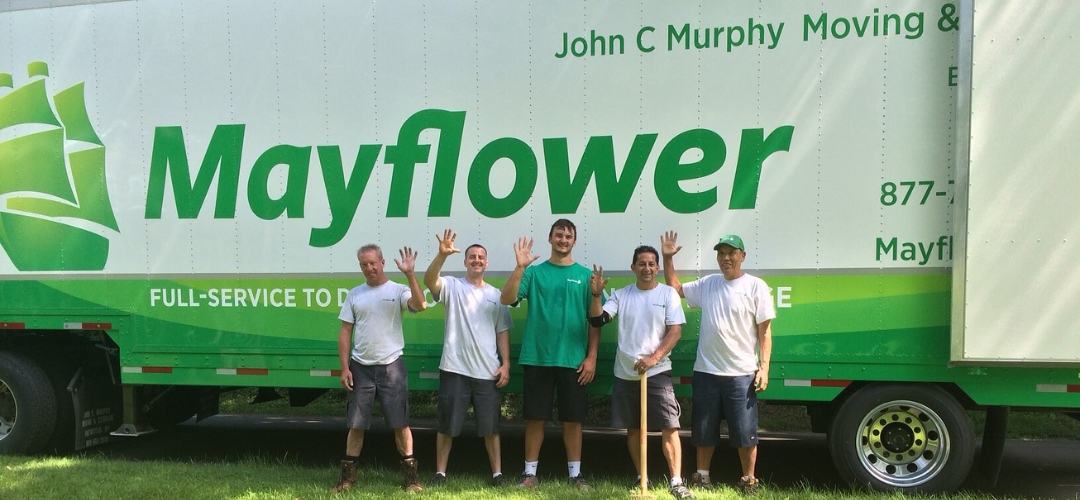
Not every mover that services Manhattan also understands Greenwich’s residential layout, and not every Connecticut mover is comfortable with city building logistics. Among local moving companies, working with a team that regularly handles both sides of this specific route tends to reduce the number of things that fall through the cracks.
Fewer Handoffs Between the Two Ends of the Move
Splitting a relocation between a city-only crew and a separate Connecticut-only crew adds a handoff point where details can get lost. A single team managing pickup and delivery keeps the inventory, timing, and instructions consistent from start to finish.
Familiarity With Recurring Building Patterns
Crews that work NYC buildings on a regular basis tend to recognize common scheduling and paperwork patterns before they cause a delay, rather than encountering them for the first time on move day.
A Working Sense of Fairfield County Access Conditions
Local moving companies who regularly serve Greenwich build a realistic sense of how local roads, seasonal traffic, and residential access tend to play out on any given day, which supports a more accurate time estimate than a generic one.
One Point of Contact Through Both Stages
Coordinating a single contact across pickup, transit, and delivery reduces the chance that a detail confirmed on one end doesn’t make it to the crew handling the other.
Frequently Asked Questions
How far in advance should I book local moving companies for an NYC to Greenwich move?
Begin contacting NYC to Greenwich movers once the move-out and destination timelines have a reasonable target. The appropriate lead time depends on the season, building requirements, household size, service scope, and scheduling availability. Booking earlier is particularly useful when an elevator reservation, closing, renovation, or storage period must be coordinated.
Do I need extra approval from my NYC building before moving day?
Many co-ops, condos, and managed rental buildings require advance coordination, which may include valuation documentation, an elevator reservation, approved hours, deposits, or a designated entrance. Requirements vary by property, so residents should obtain the current move-out instructions directly from the management office.
How long is the commute from Greenwich to Manhattan by train?
Metro-North’s New Haven Line connects Greenwich directly to Grand Central Terminal, with run times that vary by service pattern and time of day. Current schedules are published directly on MTA’s site, and it’s worth checking the timetable for your specific station before finalizing a neighborhood choice.
Should I downsize before moving from a city apartment to a Greenwich home?
Not necessarily downsize, but right-size. A larger home often needs additional furniture to avoid feeling sparse, while certain city pieces may not suit a Greenwich home’s layout or doorway dimensions. Walking through both spaces, even virtually, before packing day helps avoid moving items that won’t work in the new home.
Can storage help if my Greenwich home isn’t ready when my NYC lease ends?
Storage may be useful when a lease ends before the closing, renovation, or approved delivery date. Before choosing this option, ask how belongings will be inventoried, stored, accessed, and delivered once the Greenwich property is ready. Available storage conditions, fees, access rules, and delivery procedures vary by provider.
Start Planning Your Move From NYC to Greenwich
Moving from New York City to Greenwich requires careful coordination, from building requirements and scheduling to packing, transportation, and delivery. Murphy Moving & Storage has managed interstate coordination across the New York and Connecticut corridor for more than a century.
As an authorized Mayflower® agent and ProMover® certified company, our team of NYC to Greenwich movers provides support for apartment buildings, single-family homes, full-service packing, and climate-controlled storage when moving timelines do not align.
Contact us to discuss your move from NYC to Greenwich and request a personalized moving estimate.
