
What’s In This Guide
- What Should a Stamford Residential Moving Checklist Cover?
- What Building Rules Apply to Condo and Apartment Moves in Stamford?
- How Does Truck Parking and Street Access Work in Stamford?
- The Complete Stamford Residential Moving Checklist
- How Should You Time Your Move-Day Schedule in Stamford?
- When Does It Make Sense to Hire Residential Movers Near You in Stamford?
- Frequently Asked Questions
- Ready to Plan Your Stamford Move?
Missed elevator reservations, blocked loading docks, and trucks with nowhere to park cause more Stamford moving delays than packing ever does.
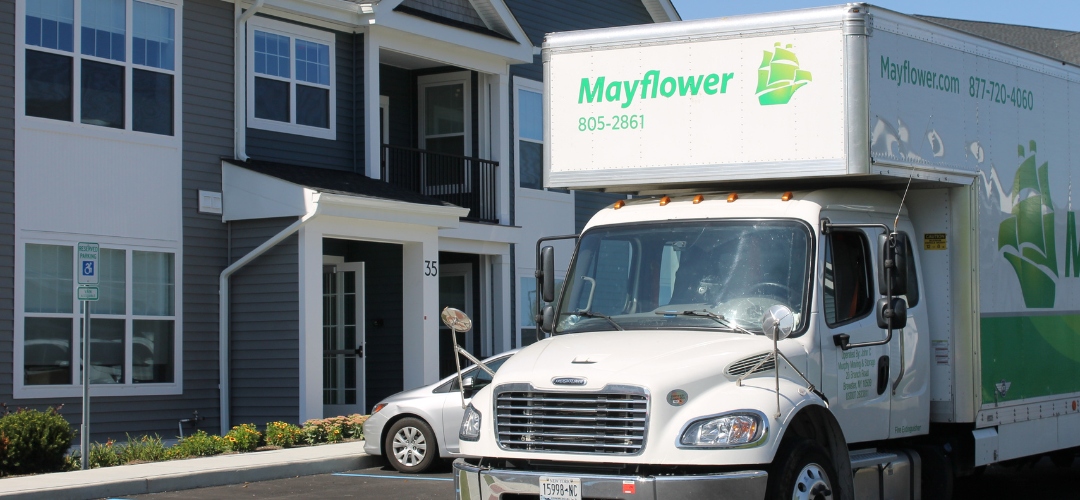
The city's housing mix runs from Harbor Point high-rises and downtown apartment buildings to multi-family streets in Glenbrook and Springdale and single-family homes in North Stamford, and each property type follows different access rules.
A Stamford residential moving checklist built around building requirements, parking logistics, packing sequence, and move-day timing keeps those variables under control before they become problems.
Here is the full checklist, organized by timeline, along with the access details that matter most in this market.
Quick Facts
- Freight elevator reservations in Stamford buildings often require one to two weeks of advance notice.
- A COI naming the building as additionally insured is standard before crews can start work in managed properties.
- Moving truck parking on public streets may require coordination with the city before move day.
- Booking local movers four to six weeks out protects preferred dates during peak season.
- Documents, medications, and jewelry should travel with you, never on the truck.
What Should a Stamford Residential Moving Checklist Cover?

A complete Stamford residential moving checklist covers four areas: building access and elevator reservations, truck parking and street staging, packing sequence and inventory, and move-day timing. Each area carries its own deadlines, and most of the coordination work happens two to six weeks before the truck arrives.
Apartment and condo moves depend heavily on the first two areas. Single-family moves in North Stamford or Westover shift the weight toward driveway access, staging space, and multi-floor packing logistics. The checklist later in this guide separates tasks by timeline so nothing lands on move day that should have been handled weeks earlier.
What Building Rules Apply to Condo and Apartment Moves in Stamford?
Managed buildings in Stamford typically require three things before a move can begin: a reserved freight elevator or padded elevator window, a COI from the moving company, and an approved move-in window. All three must be confirmed with building management directly, and none of them can be arranged on moving day.
Freight Elevator Reservations and Move-In Windows
Most high-density buildings restrict moves to weekday business hours and require an elevator reservation in advance. Building staff usually pad the elevator cab and block the reserved time for your crew exclusively.
Confirm these details with your building manager:
- The exact move-in window the building permits, including weekend policies
- How far in advance the freight elevator must be reserved
- Whether the building charges a move fee or refundable deposit
- Which entrance and hallway route the crew is required to use
An elevator reservation is a hard constraint. If the crew arrives outside the approved move-in window, building staff can pause or stop the move entirely.
COI Requirements Before the Crew Arrives
A Certificate of Insurance, or COI, is a document your moving company provides that names the building as an additional insured party. Property managers in downtown Stamford and Harbor Point buildings routinely require the COI on file before any crew enters the property.
The mover generates the document, and the resident typically submits it to management. Experienced local movers handle COI requests regularly and can usually turn the paperwork around quickly, but the building may need several business days to review and approve it.
Request the COI as soon as your move date is confirmed.
Loading Dock and Designated Entry Rules
Larger buildings restrict crews to specific loading docks or service entrances. Some require a separate dock reservation on top of the elevator booking. Confirm overhead clearance for the truck, dock scheduling, and any floor protection requirements in lobbies and hallways, since some buildings supply protective coverings while others expect the mover to provide them.
How Does Truck Parking and Street Access Work in Stamford?
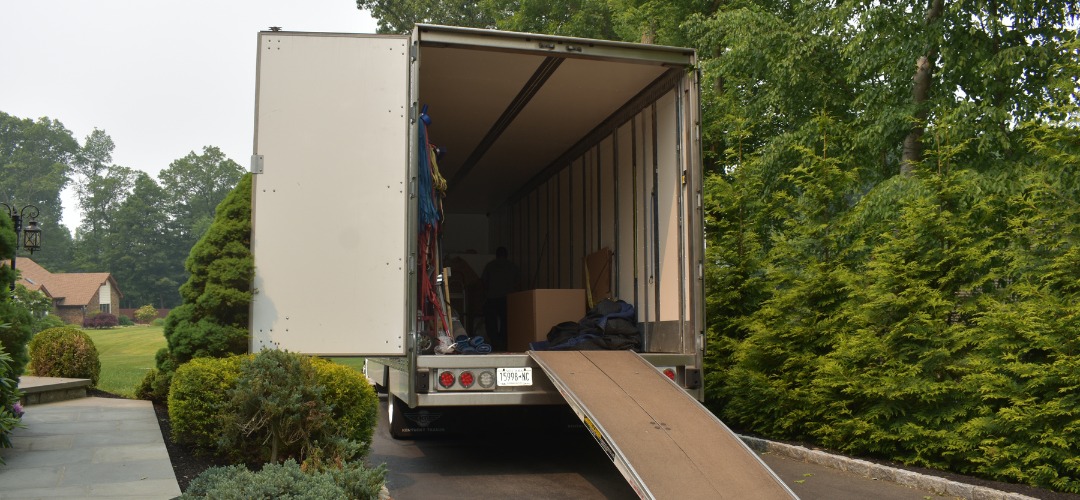
Where a moving truck can legally stage depends on the street. Downtown corridors, metered blocks, and dense residential streets near the train station may require temporary parking arrangements, while most single-family neighborhoods allow driveway or curbside staging with basic planning.
Steps worth taking before move day:
- Contact the city about street staging. If your building has no loading dock and the truck must occupy street parking, ask Stamford’s parking or transportation office what temporary arrangements apply to your block. Requirements vary by location, so confirm rather than assume.
- Measure driveway access for single-family moves. Long or sloped driveways, low branches, and utility lines can prevent a full-size truck from reaching the entrance. Flag these conditions during the estimate so the mover can plan a shuttle or alternate staging spot.
- Check for posted restrictions. Street cleaning schedules, rush-hour lane rules, and permit-only zones all affect where a truck can sit for several hours.
- Share photos with your mover. A few pictures of the street, driveway, and building entrance help the crew arrive with the right vehicle and equipment the first time.
Handle parking logistics at least two weeks out. A truck circling the block looking for legal staging burns crew time you are paying for.
The Complete Stamford Residential Moving Checklist
Work through the checklist in timeline order. Early tasks protect your date and access approvals. Later tasks protect your belongings and your schedule on the day itself.
4 to 6 Weeks Before: Book, Verify, and Reserve
- Book local movers, extending to eight weeks for summer and end-of-month dates.
- Verify state licensing through the Connecticut Department of Consumer Protection mover resources for household moves.
- For any move crossing state lines, confirm the carrier holds a valid USDOT number and active FMCSA registration.
- Notify building management at both addresses and request move rules in writing
- Request a written, itemized estimate and ask whether it is binding or non-binding.
- Confirm valuation coverage options in writing before signing.
- Ask whether a dedicated coordinator will manage the move from booking through delivery.
2 Weeks Before: Confirm Access and Start Packing
- Reserve the freight elevator and confirm the approved move-in window.
- Request the COI from your mover and submit it to building management.
- Confirm truck parking or dock arrangements at both addresses.
- Build a room-by-room inventory and photograph furniture, electronics, and fragile items.
- Begin packing low-use areas first: storage closets, seasonal items, books, decor
- Label every box with its contents and destination room.
| READ MORE: What to Pack First When Moving (And What to Pack Last)
Moving Week: Utilities, Essentials, and Final Prep
- Schedule a utility disconnection for the day after the move-out, not the same day.
- Submit mail forwarding with the postal service.
- Set aside documents, medications, jewelry, and valuables to transport personally, following this moving-day checklist for what to keep with you.
- Pack a first-day box with bedding, toiletries, chargers, basic kitchen items, and a change of clothes, and load it last.
- Defrost and dry the refrigerator at least 24 hours ahead if it is making the trip.
- Confirm the crew arrival time and elevator window one final time.
Move Day: Timing, Walkthroughs, and Placement
- Walk the crew lead through every room and flag fragile or high-value items before loading starts
- Keep hallways, stairwells, and the approved building route clear.
- Compare loaded items against your inventory before the truck departs
- Direct room placement at the destination as boxes come off the truck
- Do a final walkthrough of the vacated home, checking closets, cabinets, and storage areas.
How Should You Time Your Move-Day Schedule in Stamford?

Build the day around your elevator window, not the other way around. If the building approves a 9 a.m. to 1 p.m. slot, the crew needs to be loading by the start of that window, which means arrival time, parking, and walkthroughs all get scheduled backward from it.
Other timing factors specific to the area:
- Morning slots move faster. Crews are fresh, buildings are quieter, and there is buffer room if the load runs long.
- I-95 and downtown congestion peak at rush hours. For moves crossing town or heading out of the area, a mid-morning departure often avoids the worst of both windows.
- End-of-month dates are crowded. Lease turnovers concentrate demand for both movers and freight elevators in the final days of each month. Mid-month dates offer more flexibility on both fronts.
- Summer books earliest. June through August is peak season across Fairfield County, which compresses crew availability and building move slots at the same time.
Every move carries different variables, so treat these as planning inputs rather than guarantees. A written estimate based on a walkthrough gives you the most accurate picture of how long your specific move will take.
When Does It Make Sense to Hire Residential Movers Near You in Stamford?
Hiring residential movers in your area makes the most sense when the move involves strict building windows, multiple floors, fragile or high-value items, or a gap between move-out and move-in dates. Each of those conditions raises the cost of a mistake beyond what a DIY approach saves.
Situations where professional support carries the most weight:
- High-rise and managed building moves. Crews that work these buildings regularly know how to hit tight elevator windows, protect common areas, and keep the COI process moving.
- Multi-floor and walk-up moves. Stairwells, tight landings, and large furniture raise both the labor demand and the damage risk.
- Tight timelines. When packing time is short, professional packing compresses days of work into hours.
- Lease gaps and delayed closings. When move-out and move-in dates do not align, full-service climate-controlled storage bridges the gap. Belongings are handed over to the moving team and stored on your behalf, with multiple access control systems in place to ensure only authorized individuals can enter storage areas, so belongings are kept safe until delivery.
Frequently Asked Questions
What affects the cost of a residential move in Stamford?
Pricing can depend on the move size, distance, access conditions, packing needs, crew requirements, and requested services. A detailed estimate helps local movers account for the property and schedule before move day.
Can Stamford movers provide boxes and packing materials?
Many local movers can supply boxes, tape, protective wrap, and specialty packing materials before the moving date. Availability and pricing vary, so confirm what can be delivered or purchased when requesting the estimate.
Can local movers provide partial packing services?
Yes. Homeowners may request help with fragile items, artwork, kitchens, closets, or other selected areas instead of booking full packing. The available options depend on the moving company and the scope of the Stamford move.
Do Stamford movers disassemble and reassemble furniture?
Furniture disassembly and reassembly may be included or added depending on the item and moving plan. Confirm which pieces require service so the crew can allow enough time and bring suitable tools.
What happens if bad weather affects a Stamford moving date?
Rain, snow, or unsafe travel conditions may require schedule or access adjustments. Stay in contact with the moving coordinator and keep entrances, walkways, and loading areas reasonably clear before the crew arrives.
Ready to Plan Your Stamford Move?
Murphy Moving & Storage has handled residential relocations across Connecticut and New York since 1914, with a Stamford location and dedicated coordinators who manage each move from the first estimate through final delivery.
Request a free, no-obligation estimate and get a move plan built around your building, your street, and your schedule.
